



Technologies of the future: how the work environment in the service sector is changing
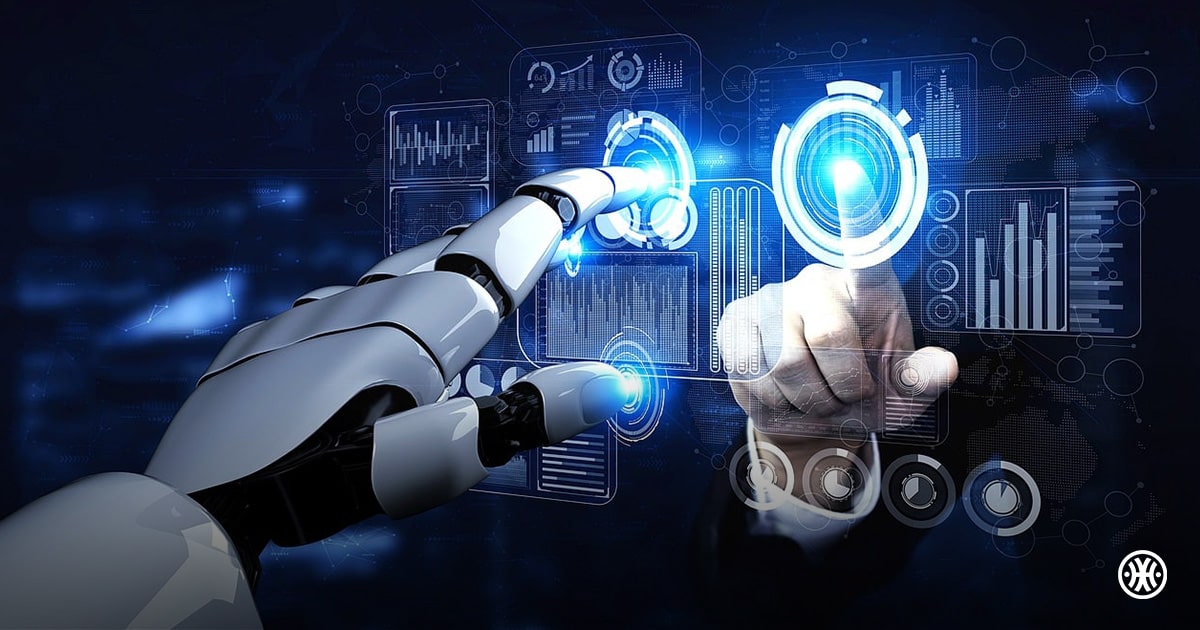
The service sector is undergoing significant changes under the influence of the latest technologies that transform the usual work processes, improve efficiency and enhance the quality of customer service. The innovations that are actively developing cover various aspects, from automating routine tasks to improving communication with customers. Let’s take a look at how modern technologies are shaping the new working environment in this industry.
1. Automation and artificial intelligence
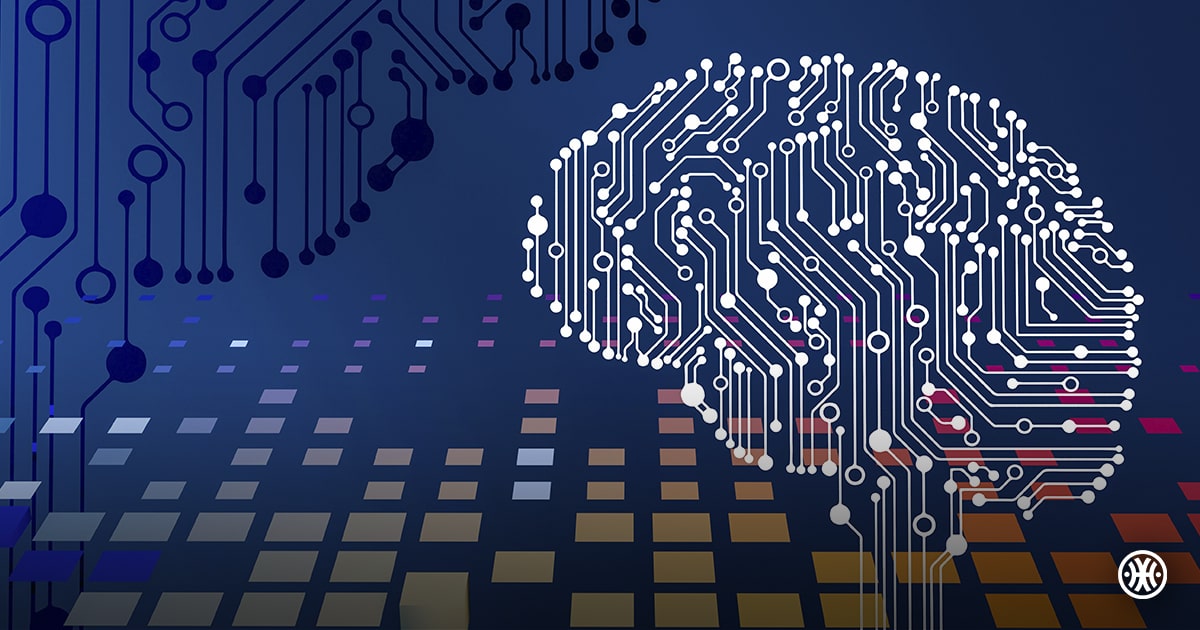
Artificial intelligence (AI) is becoming indispensable in the areas of data processing, forecasting, and personalization of services. Automation of routine processes, such as calculations or processing customer requests, reduces the workload of employees and allows them to focus on more important tasks. In addition, AI technologies are able to analyze customer behavior and provide individualized recommendations, which significantly improves the quality of services.
2. Virtual reality and augmented reality
Virtual reality and augmented reality (VR and AR) open up new opportunities for training, consulting, and customer service. Remote training using VR allows for quick staff training, and AR technologies can help in the performance of tasks by showing useful information in real time. For example, AR can become indispensable for technicians performing complex repairs or maintenance at the facility.
3. Internet of Things (IoT) for remote monitoring
The IoT is changing the way services companies monitor and manage their assets. For example, IoT sensors allow companies to monitor the condition of equipment in real time, predicting the need for repair or replacement before a breakdown occurs. This can significantly reduce downtime and ensure uninterrupted customer service.
4. Cloud technologies and data security
Cloud solutions provide service companies with the flexibility to access the data they need from anywhere, which is especially important for remote work. Storing data in the cloud also increases data protection, as modern platforms provide a high level of security and backup. This approach optimizes work, simplifies workflow, and increases productivity.
5. Analytics and Big Data
Big data analytics allows service companies to better understand customer needs, track market trends, and increase efficiency. By studying huge amounts of data, companies can better predict demand, optimize supply, and implement strategies that increase customer satisfaction.
How to integrate the latest technologies into your business?
Implementing advanced technologies requires careful planning and a professional approach. For companies in the service sector, this can be a real challenge, but a partner with the right expertise can help ensure a smooth implementation. Professional assistance allows you to optimize resources, adapt processes, and effectively use new technologies. Indewise specialists can help with this, as they have experience in implementing technology solutions and know how to make your business more efficient and adaptable to future changes.